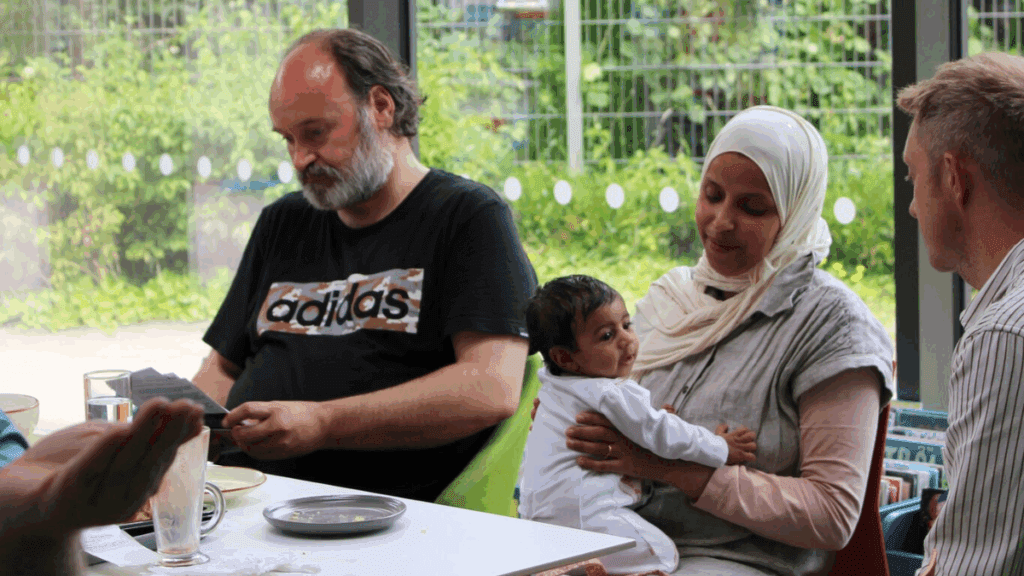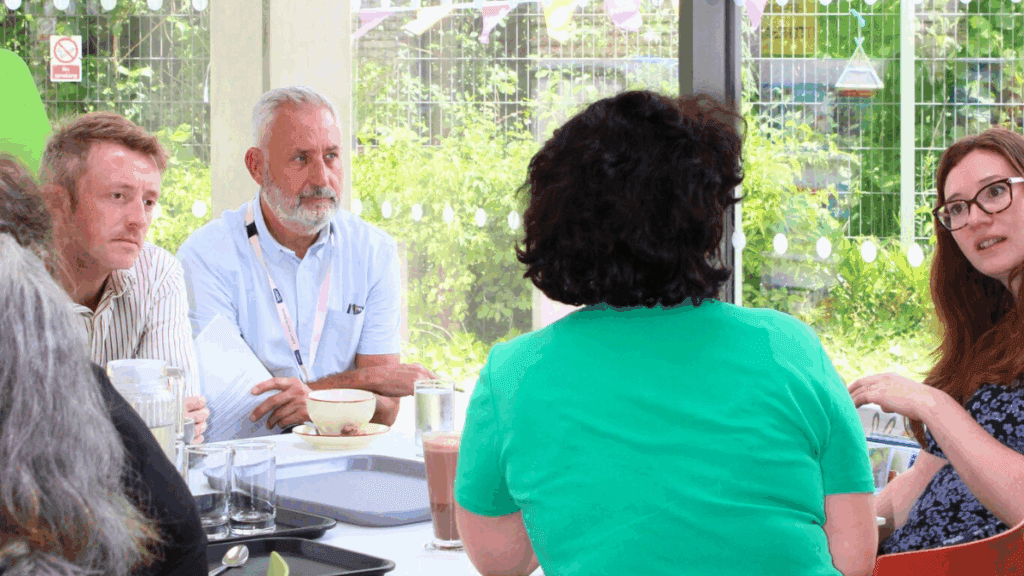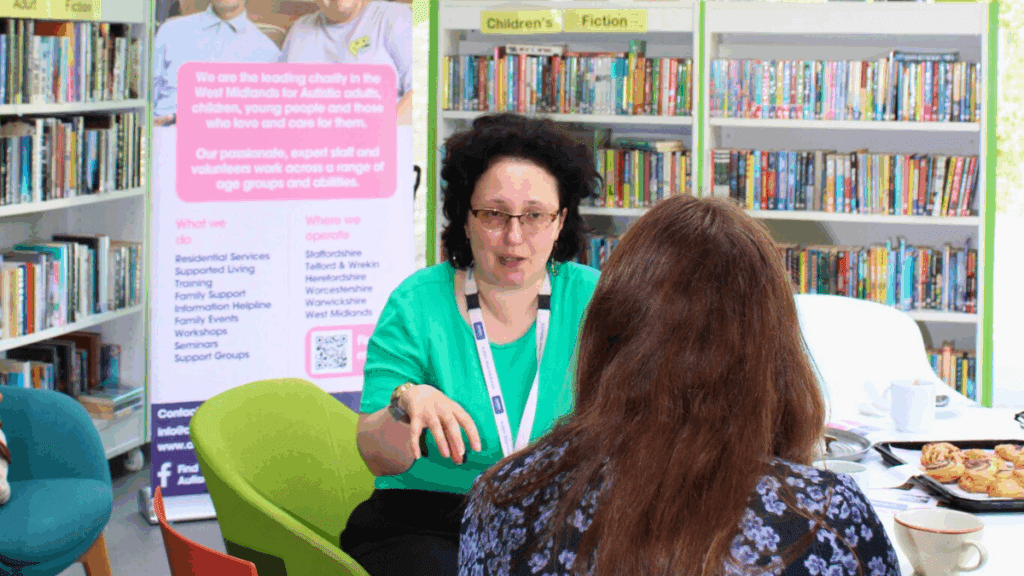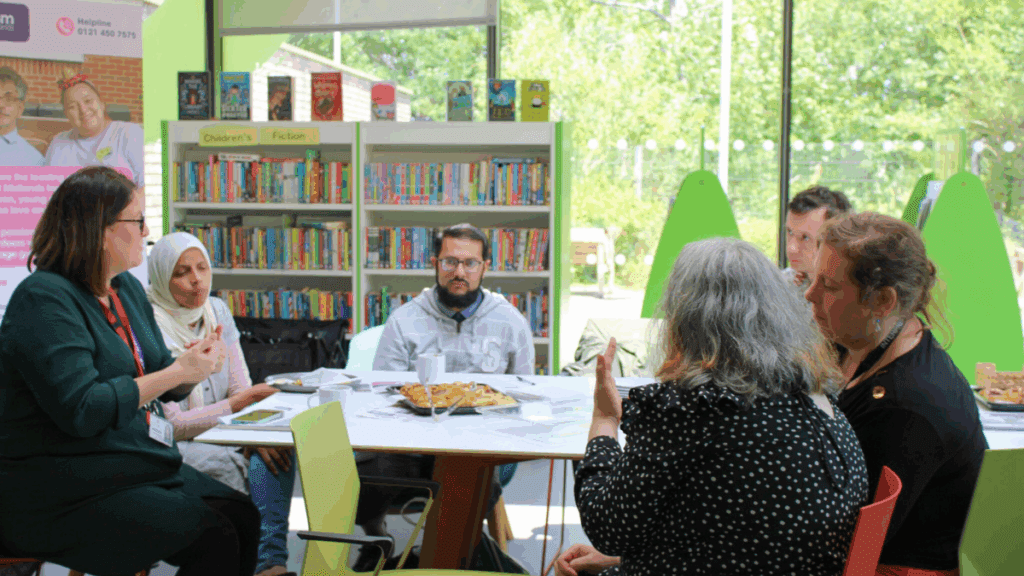



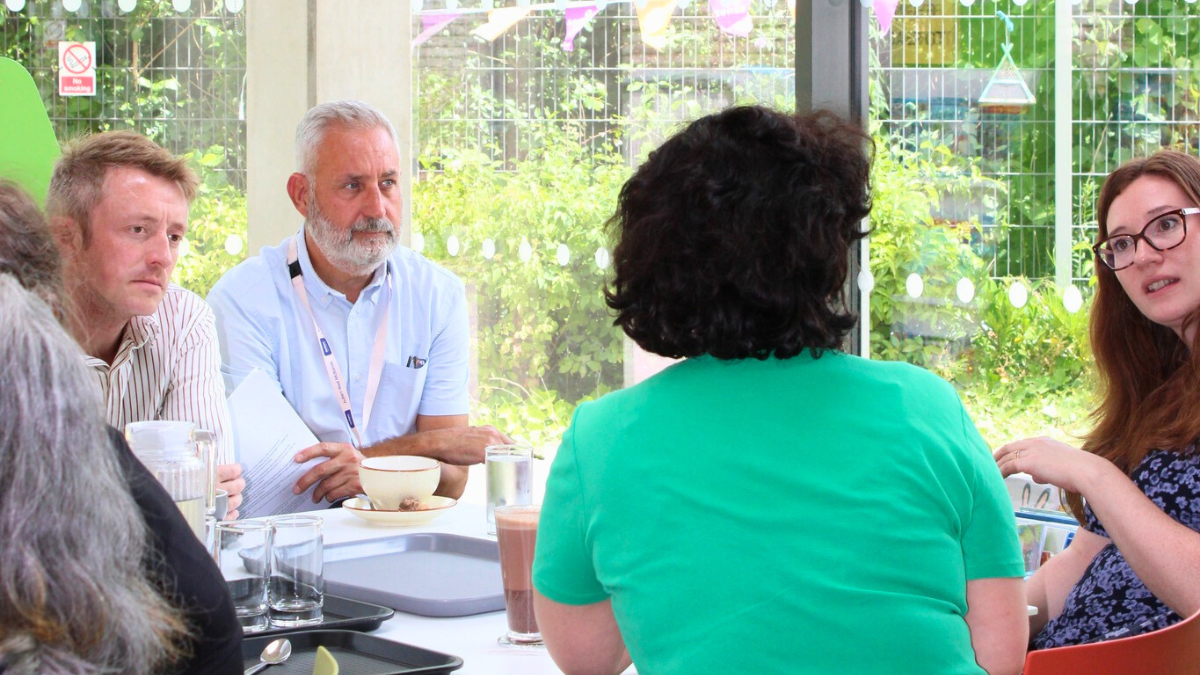
We were pleased to recently welcome members of the Casey Commission team to our Head Office in Selly Oak. It was a valuable opportunity for us to connect directly with those shaping the future of adult social care and to highlight the real-life experiences of autistic people who use our services. The visit was attended by Liz Jones, Policy Director and Nathan Jones, Senior Policy & External Affairs Lead.
During the visit, the Commission team spent time speaking with people we support and our staff, gaining a deeper understanding of the challenges and realities faced by autistic adults accessing care. It was an open, honest and thought-provoking session. The voices shared were powerful and central to what we believe should be at the heart of any conversation about care: lived experience.
The Casey Commission, chaired by Baroness Louise Casey, is an independent review looking into how adult social care can be improved across the country. Their aim is to explore the core issues in the sector and make recommendations for a future national care service. Their visit to Autism West Midlands was part of a series of conversations with care providers and people drawing on support across the UK.
Vic Rayner, CEO of the National Care Forum shared: “I was pleased that members of the NCF team were able to facilitate and accompany this visit by the Casey Commission to our members’ Autism West Midlands’ head offices in Selly Oak, Birmingham. While the Commission continues its factfinding conversations with care providers it’s crucial that they build an understanding of the breadth and diversity of social care and support and the wide range of people that need to draw on services to live fulfilling lives. People with lived experience of accessing services for autistic people, and the support staff who deliver them, are the most qualified to express just how vital services like this are, so it’s great to see that were able to drop in and share their thoughts in an informal and familiar environment. This visit and others are an essential part of informing work ahead of the national conversation that is going to be so important in reaching an understanding of what care for the future needs to look like. It’s particularly important that the Commission learns this from the perspective of not-for-profit providers and charities who closely understand the needs of the local communities they serve”