




What is your role at Autism West Midlands? What does it involve?
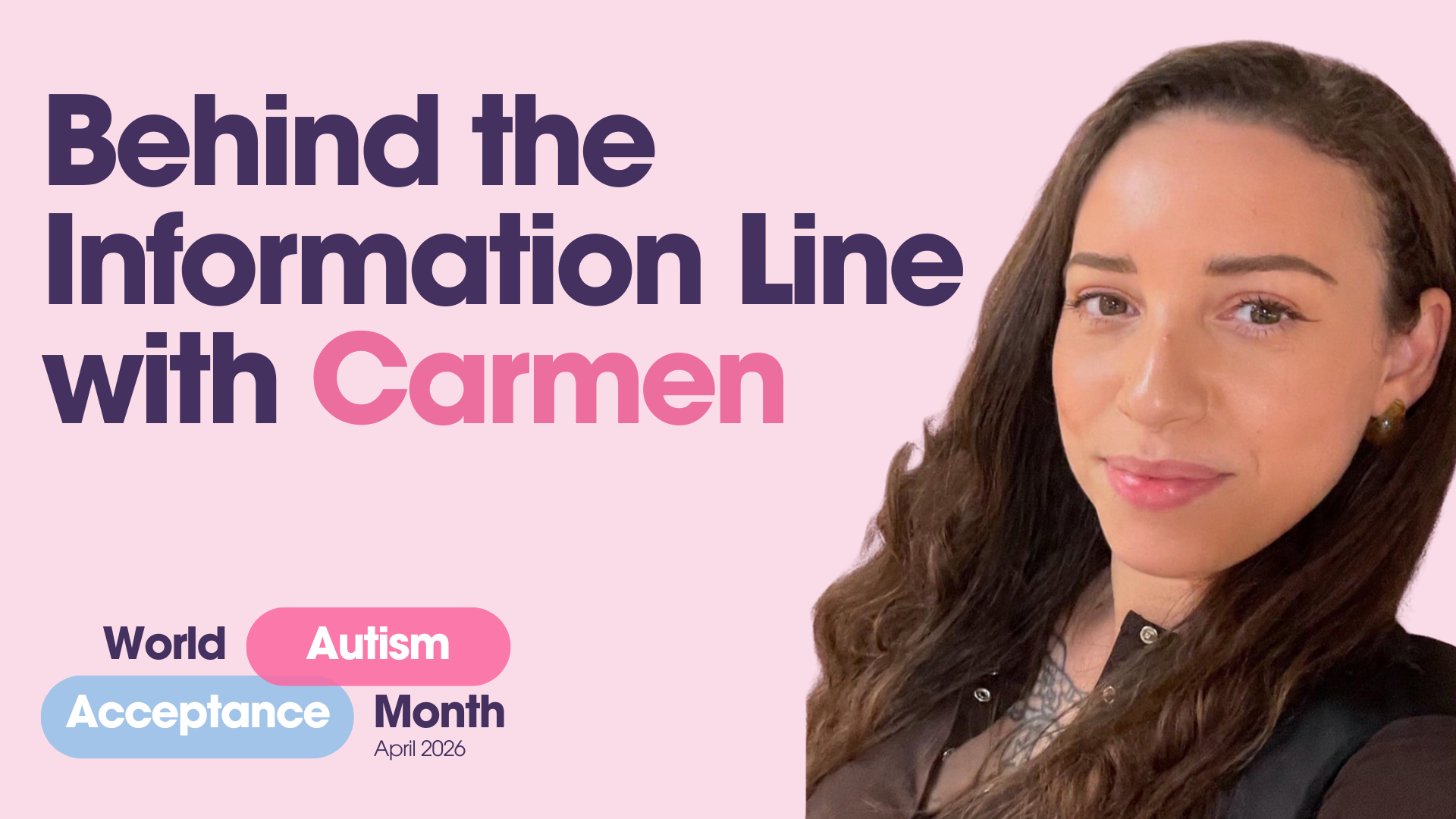
At Autism West Midlands, I work as an Assistant Manager on the information line, I’ve worked for the charity since 2014. Over that time, I’ve developed a strong understanding of the needs of the autistic community and a real passion for delivering meaningful support.
My role involves overseeing a service that supports autistic adults, parents, carers, professionals, and wider support networks mainly through telephone and email support. The information line team ensure that every interaction is not only informative, but also accessible, supportive, and aligned with a neuro-affirming approach. For me, it’s about creating a space where people feel heard, understood, and respected, while also giving clear, practical information they can use. Callers will speak with experienced and understanding staff who provide a listening ear, along with clear information about autism and local support services. Our Information Line can also refer individuals into our other services for more tailored support.
I work as part of the wider community services team, where we take a collaborative approach and refer our callers into community services for further support. It is a brilliant team to be part of—highly supportive, with knowledgeable staff who are committed to delivering the best outcomes for the community.
I also lead a team, and one of our key strengths is that all of our team members have lived experience of autism. I’m really proud of that, as it means the support we provide is grounded in genuine understanding and is authentic. You’ll be speaking with someone that really understands you. The team are wonderful and supportive.
I’ve supported people at different stages of their journey from helping individuals access an autism diagnosis, to finding the right support to gain employment, join groups, build confidence and connect with other parents and carers.
I’ve also seen people progress to the point where they come back and volunteer with us, supporting our groups and courses after first accessing our advice services themselves. That’s something I find really rewarding, as it shows the long-term impact of the support we provide.
Alongside day-to-day service delivery, I’m always looking at ways to improve what we offer whether that’s refining resources, identifying gaps in support, or adapting our approach to better reflect the community we serve. I also personally speak to hundreds of people each year, so I stay closely connected to the real challenges people are facing.
I’m proud of the impact I’ve had on developing the service it’s grown considerably since I started, and I’ve been actively involved in shaping that growth alongside a committed and passionate team.
Overall, I see my role as creating a service that is not only knowledgeable, but compassionate, inclusive, and truly centred on autistic voices and that’s something I care deeply about.
What is your personal experience of autism?
My younger brother is autistic—he was diagnosed at 15 now aged 34. so, my understanding of autism is both professional and deeply personal. Growing up alongside him, I’ve seen first-hand not only the challenges that can come with navigating systems that aren’t always designed with neurodivergent people in mind, but also the strengths, individuality, and perspective that autism brings.
His diagnosis came later in his childhood, which meant there were times when things were misunderstood or support wasn’t always in place in the way it could have been. That experience really stayed with me, and it’s shaped how I view the importance of early understanding, acceptance, and the right kind of support.
It’s also given me a strong sense of empathy for families and adult’s understanding the uncertainty, the advocacy, and the emotional journey that can come with trying to access the right help. At the same time, it’s reinforced for me how important it is to recognise and respect each person’s identity, rather than seeing autism purely through a challenges-based lens.
That personal experience has really influenced my values and my commitment to supporting the community. I bring that into my work every day.
I’m also proud to have been part of so many people’s journeys over the years and grateful for all the wonderful individuals I’ve met along the way. Being able to support them, see their progress, and learn from their experiences has been incredibly rewarding.
What makes you unique?
One of the things that makes me unique is my sense of humour. I’ve found that even in busy or stressful situations, being able to bring a bit of lightness helps people feel supported, connected, and more open. It’s not about making a joke it’s about building trust, easing tension, and creating a positive team dynamic.
I’ve seen how this can make a real difference in a workplace like ours, where people are dealing with complex or emotionally challenging situations. A smile or a moment of laughter can help the team stay resilient, maintain energy, and approach challenges with the right mindset. I think it’s part of why I’m able to build strong relationships with colleagues and the people we support. it’s about creating an environment where people feel comfortable, understood, and valued.
What does Autism Acceptance look like to you?
In my experience, both personally and professionally, autism acceptance is about empathy, respect, and partnership. It’s about celebrating differences, learning from each person’s lived experience, and actively making the world a place where autistic people feel safe, valued, and included. Listening to autistic voices, including the small everyday experiences can make a big difference. It isn’t just about awareness, it’s about being truly seen, respected and valued for who they are.

